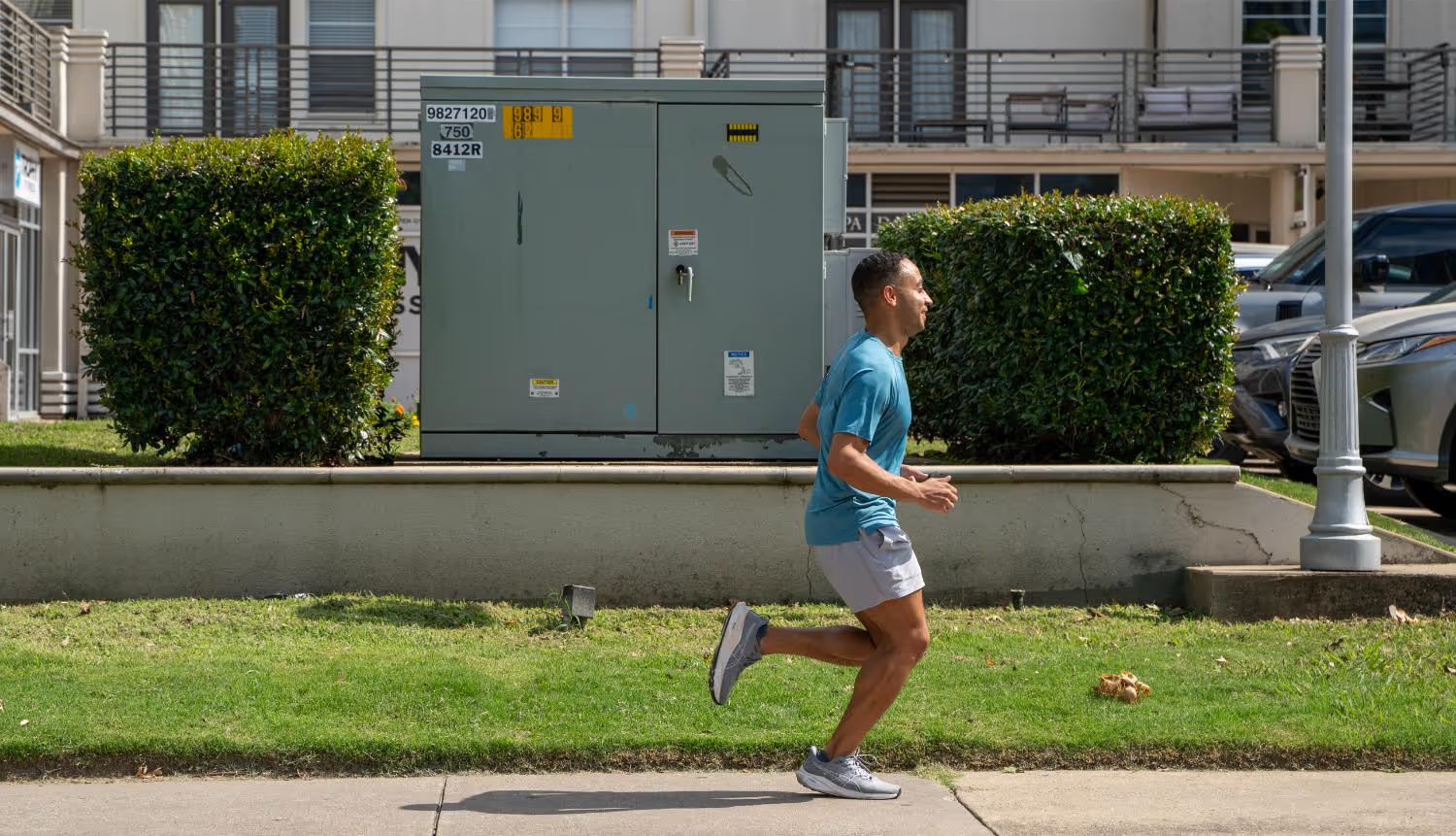
Running Physical Therapy in Dallas, TX
Stop the Cycle. Run Without Pain.
Generic PT for runners often misses the mark — hip strengthening exercises that don't account for how you actually run, rest protocols that leave you deconditioned, and no clear answer on when you can safely return to training. Proximity Performance treats runners differently, using movement-based assessments to identify the root cause of the injury and build a loading strategy that keeps you running where possible.

The Cost of Ignoring What's Actually Causing Your Running Pain
The Injury Keeps Coming Back
Rest gets you temporarily out of pain, but the same problem resurfaces as soon as you get back to training. Without addressing the root movement pattern or load issue, you're stuck in the same cycle — run, hurt, rest, repeat.
Missing Races and Training Goals
Every week off the road means lost fitness, missed long runs, and a training cycle that slips further away. When you don't know why the injury happened, it's impossible to confidently ramp back up without that fear in the back of your mind.
Conflicting Advice With No Clear Answer
Your coach says push through. Your GP says rest. Your last PT gave you clamshells and called it a day. Without a provider who actually understands running mechanics, you're left guessing — and guessing wrong tends to make things worse.
A Running Rehab Approach Built Around the Runner
Running injuries are rarely just "hip weakness" or "tight calves." They involve training load, running mechanics, foot contact, cadence, and how forces move through your body over miles. Dr. Rever evaluates all of it — and builds a treatment plan that addresses the actual breakdown, not just the painful spot.
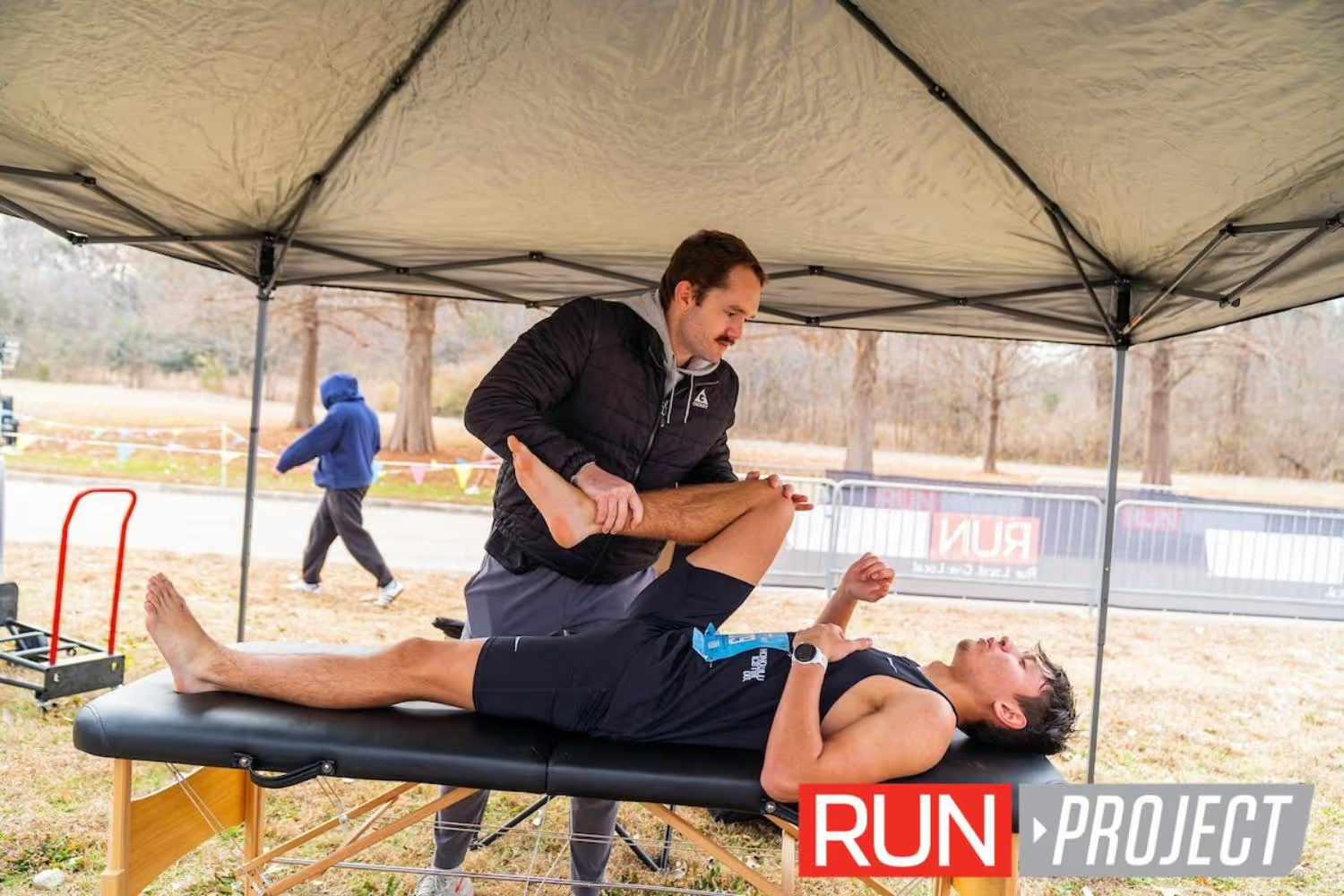
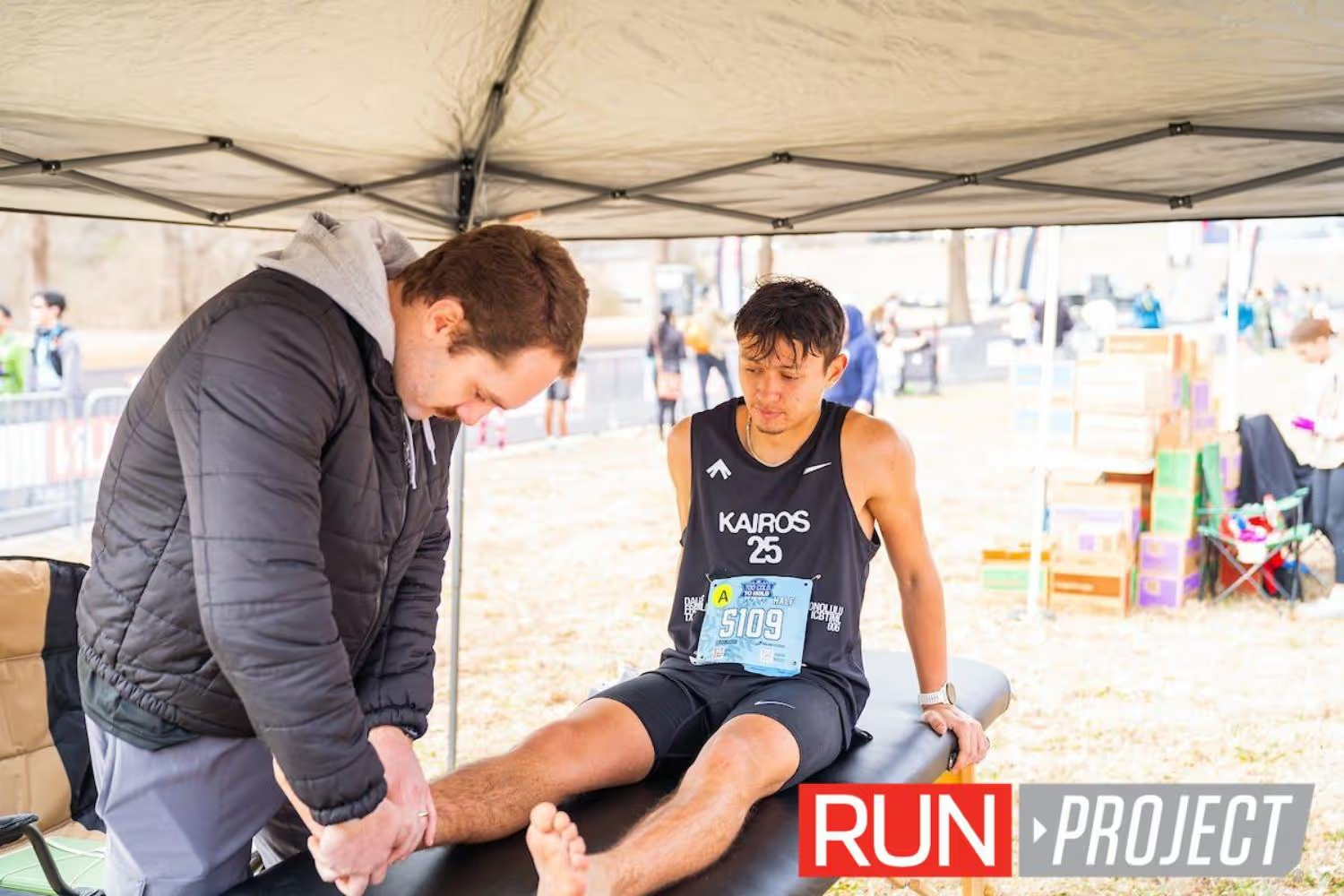
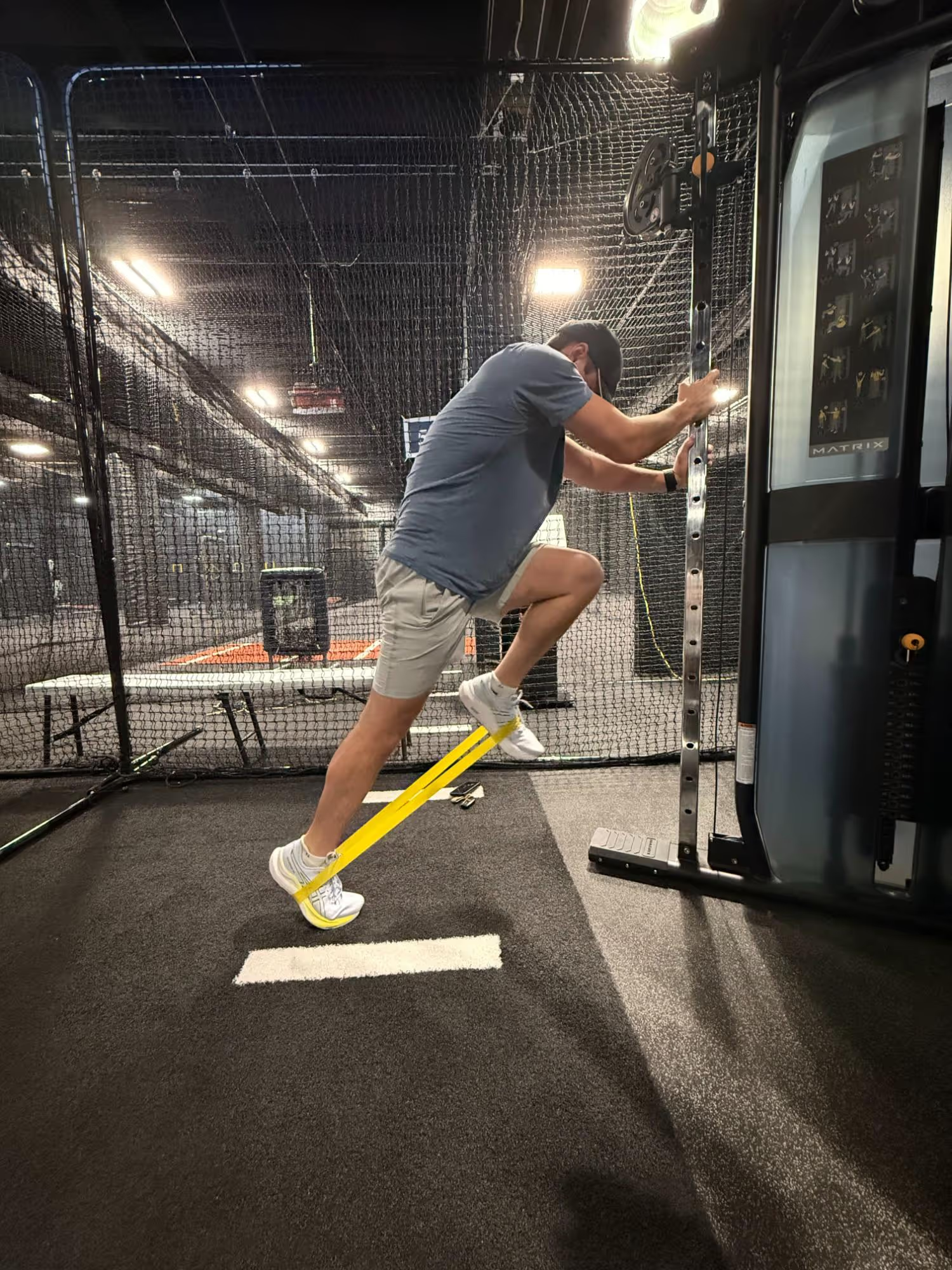
Common Reasons Runners Come to See Us
Proximity Performance works with runners dealing with IT band syndrome, runner's knee, plantar fasciitis, Achilles tendinopathy, shin splints, hamstring issues, hip pain, and ankle problems. Rather than treating each injury in isolation, we identify the underlying movement or training load factor that's driving the problem. A running gait analysis is often the first step.
IT band syndrome and lateral knee pain in runners
Runner's knee (patellofemoral pain) and anterior knee pain
Plantar fasciitis and heel pain that lingers after rest
Three Steps Back to Doing What You Love
Book a Free Phone Consultation
Tell us what's going on — your injury, your goals, and what's gotten in the way. We'll make sure we're the right fit before you commit to anything.
Receive Expert Guidance
Your initial 60-minute evaluation includes a comprehensive movement assessment, a clear explanation of what's causing your pain, and a personalized treatment plan built around your goals.
Get Back to What You Love
Work through a one-on-one treatment plan designed to resolve the root cause — and leave with the knowledge to stay pain-free long after we're done.
What Dallas Runners Are Saying
Verified Google Reviews from runners who found answers after months of guessing.


Frequently Asked Questions
Common questions about running physical therapy at Proximity Performance in Dallas.
Will I have to stop running completely during treatment?
In most cases, no. The goal isn't to stop running — it's to load smarter while you heal. Dr. Rever uses progressive return-to-running strategies that allow continued activity where it's safe, so you maintain fitness while addressing the root cause of your injury. Stopping entirely is rarely the best or only option.
My last PT just gave me hip exercises — is this different?
Yes. Generic hip strengthening treats a symptom, not a cause. Dr. Rever uses running gait analysis and movement assessment to understand exactly what's happening when you run — then builds treatment around that. If hip strength is part of the answer, there's a specific reason it's in the plan.
I've had this injury for years — can it actually be fixed?
Chronic running injuries often persist because the underlying movement pattern or training load issue was never properly addressed. Dr. Rever will do a thorough evaluation to identify what's driving the problem and give you an honest assessment of what conservative treatment can accomplish and what realistic progress looks like.
Do I need a referral or imaging before my first visit?
No referral is needed — Proximity Performance is a direct access clinic. Imaging isn't required before your first visit either. Dr. Rever will conduct a thorough movement and orthopedic evaluation, and if imaging or a specialist referral is appropriate for your situation, he'll let you know based on your results.
Still have questions?
Not sure if we treat your specific issue? A free phone call with Dr. Rever is a good place to start.
Done Guessing? Let's Find the Answer and Get You Back to Running.
Book your free phone consultation. Dr. Rever will listen to what's going on, tell you what he thinks is driving it, and outline a clear path back to running White Rock and the Katy Trail.