
Sports Physical Therapy in Dallas, TX
Get Back to Sport — All the Way Back.
"Cleared" from surgery doesn't mean ready to compete. Most return-to-sport protocols in traditional PT stop at basic function — pain-free walking, light jogging, some range of motion. Proximity Performance picks up where that leaves off, using return-to-sport testing and performance-based progressions to close the gap between "medically cleared" and actually ready to play at full speed.
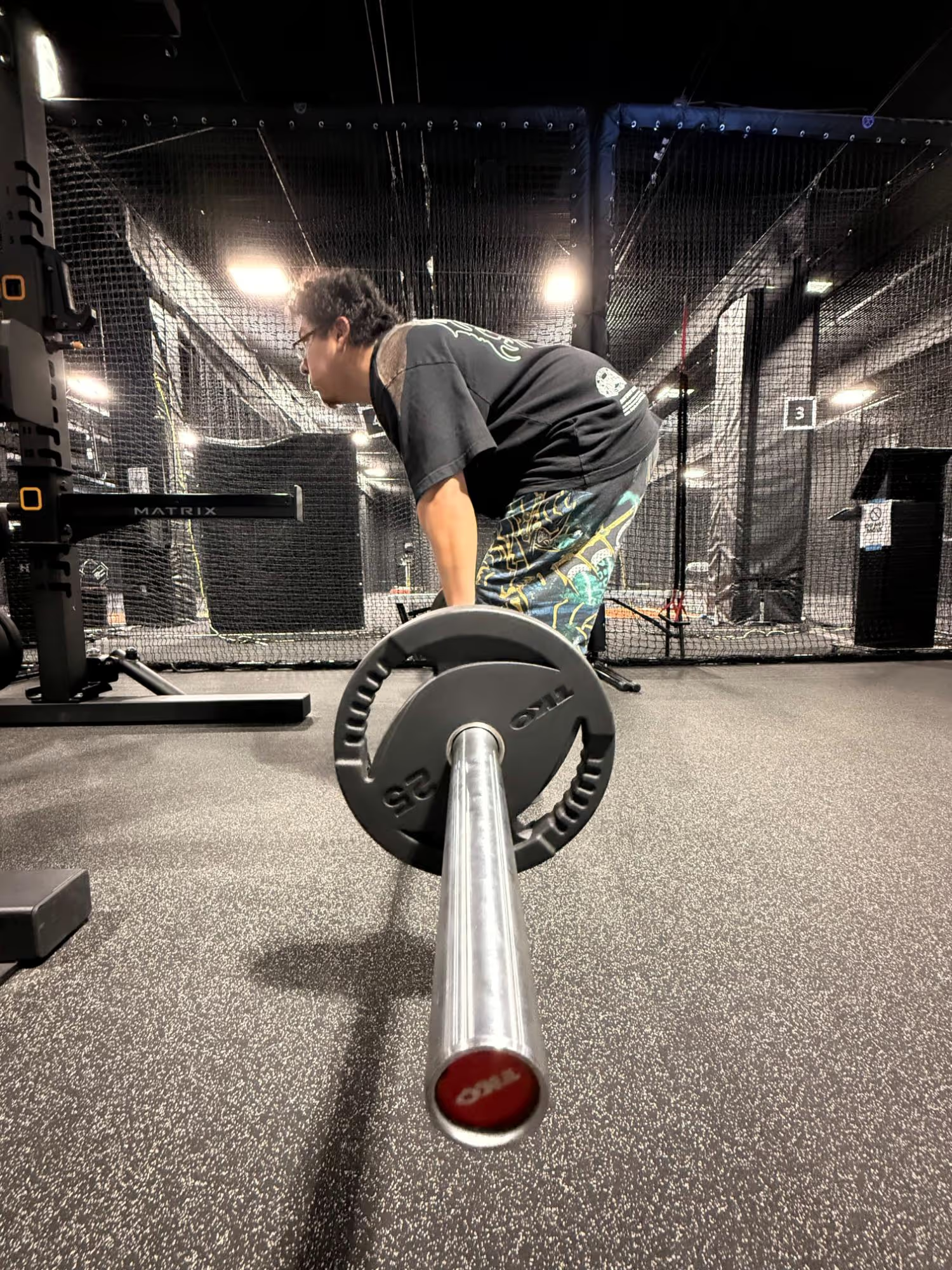
What It Costs When 'Good Enough' Becomes Your Athletic Normal
Cleared at 90% — Playing at 100%
Surgical clearance means you met a minimum threshold — not that you're sport-ready. The gap between "can walk without pain" and "can cut, sprint, and compete without compensating" is exactly where athletes get hurt again.
The Injury Keeps Limiting Your Season
Recurring sport injuries don't resolve on their own. The underlying movement dysfunction, strength deficit, or mechanical issue that caused the first injury is still there — and without addressing it, re-injury is the expected outcome, not the exception.
Generic PT That Doesn't Know Your Sport
A provider who doesn't understand your sport's demands can't build a rehab plan that actually prepares you for them. You need someone who can assess sport-specific movements and progress you through real athletic demands — not just basic functional milestones.
Return to Sport — With Objective Proof You're Ready
Proximity Performance has treated athletes from adolescents to professionals across a range of sports. His rehab philosophy is performance-first: the target is full return to sport at pre-injury capacity, not just pain-free function. That means building sport-specific loading, neuromuscular re-education, and plyometric progressions into every plan — not just basic strengthening and stretching.

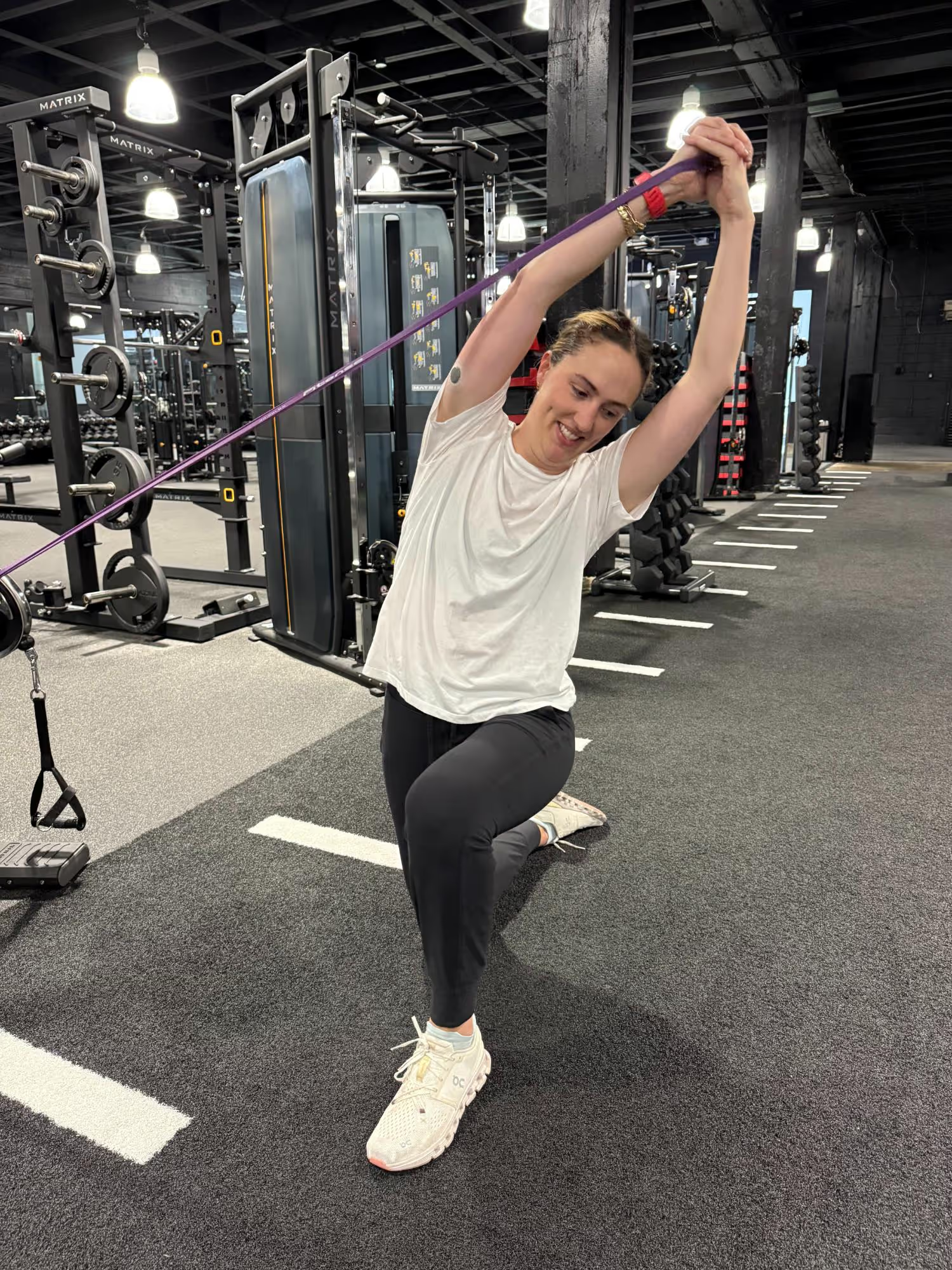
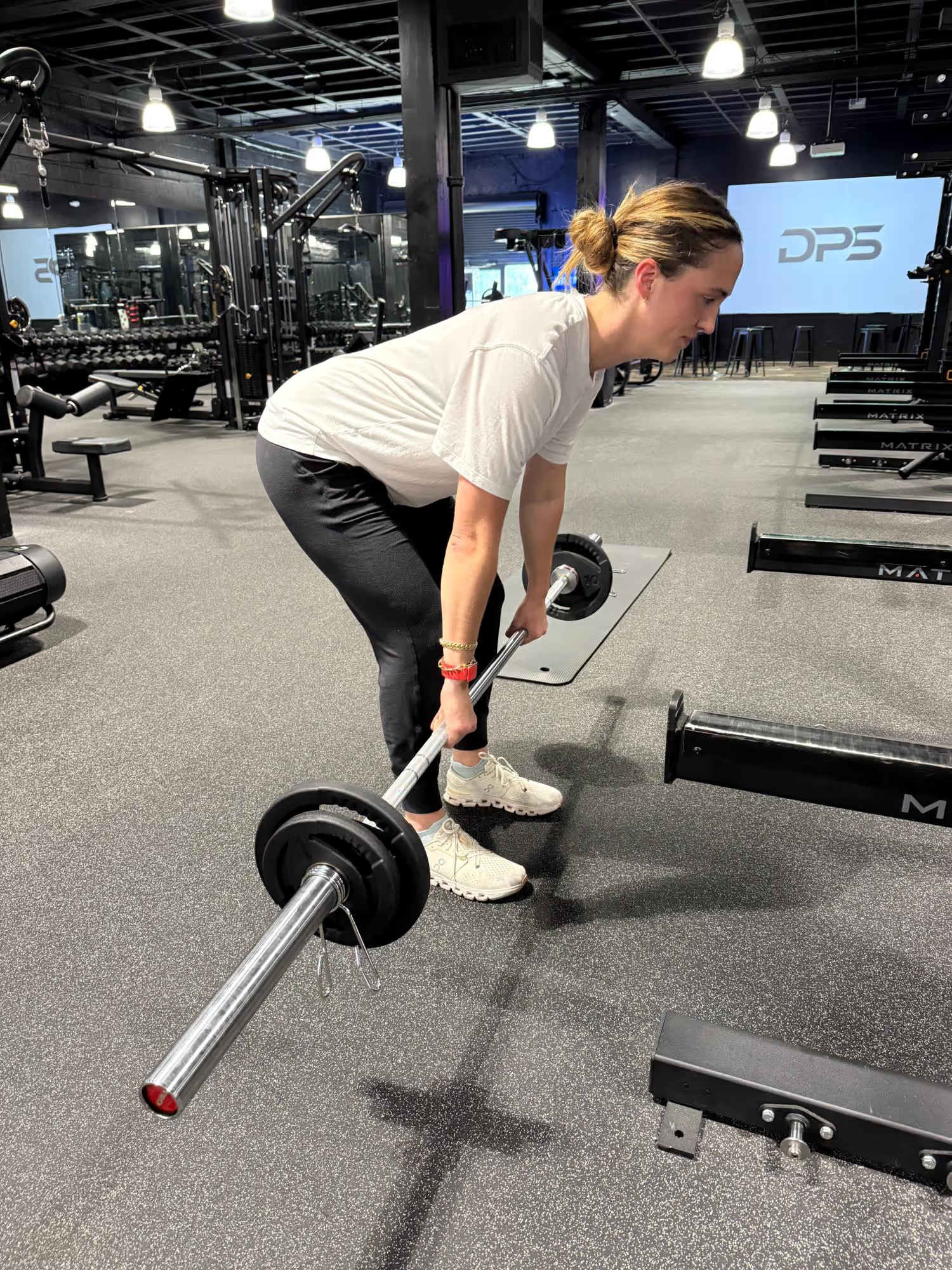
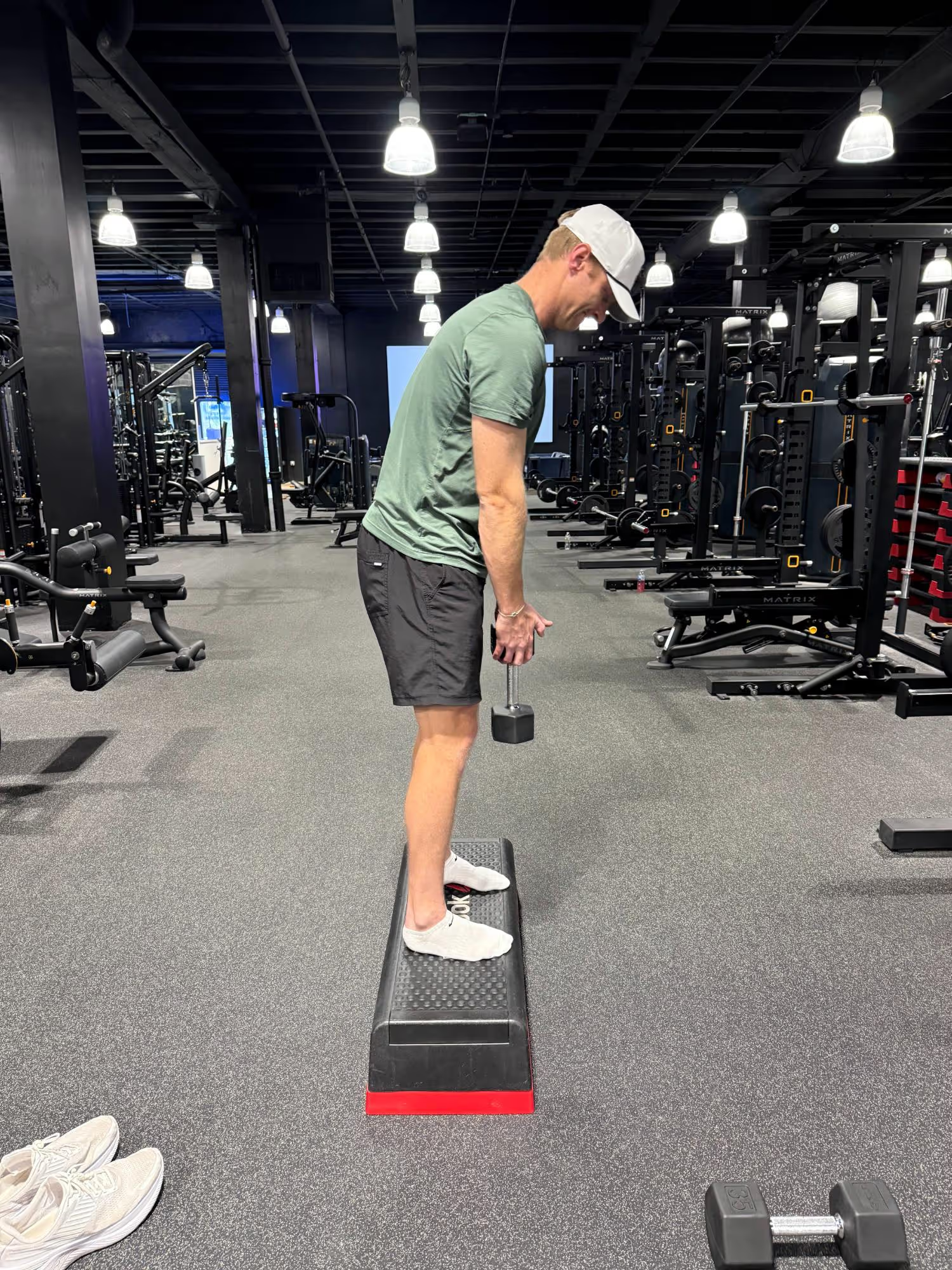
Sport Injuries We See Most Often
Proximity Performance works with athletes dealing with ACL injuries, rotator cuff pain, shoulder impingement, hip impingement, labral tears, meniscus injuries, elbow and knee pain, hamstring and groin strains, and ankle sprains. Post-surgical athletes are especially well-served by our performance-based approach to return-to-sport rehabilitation.
ACL injury and post-ACL reconstruction return-to-sport
Meniscus injury and post-meniscus surgery rehabilitation
Three Steps Back to Doing What You Love
Book a Free Phone Consultation
Tell us what's going on — your injury, your goals, and what's gotten in the way. We'll make sure we're the right fit before you commit to anything.
Receive Expert Guidance
Your initial 60-minute evaluation includes a comprehensive movement assessment, a clear explanation of what's causing your pain, and a personalized treatment plan built around your goals.
Get Back to What You Love
Work through a one-on-one treatment plan designed to resolve the root cause — and leave with the knowledge to stay pain-free long after we're done.
What Athletes at Proximity Performance Are Saying
Verified Google Reviews from athletes who came back stronger — not just cleared.


Frequently Asked Questions
Common questions about sports physical therapy at Proximity Performance in Dallas.
My surgeon cleared me — why would I need more PT?
Surgical clearance confirms you've met a minimum recovery threshold — not that you're ready to perform at sport level. The gap between cleared and competition-ready is where most re-injuries happen. Dr. Rever uses return-to-sport testing to confirm your body is objectively prepared for the demands of your sport before you return.
How is sports PT different from working with a personal trainer?
A licensed Doctor of Physical Therapy has clinical training in orthopedic evaluation, injury diagnosis, and therapeutic intervention that a personal trainer does not. At Proximity Performance, your doctor can assess your injury, identify the underlying dysfunction, apply hands-on treatment, and design a sport-specific rehab progression — all within clinical scope of practice.
Should I consider surgery before trying sports PT?
Many sport injuries that seem to require surgery respond well to conservative physical therapy first. Dr. Rever will conduct a thorough evaluation and give you an honest assessment of what PT can accomplish for your specific situation — and when a surgical consultation or specialist referral is the more appropriate path.
Can you help with injury prevention before my season starts?
Yes — prehab is one of the most effective things an athlete can do. Dr. Rever uses functional movement assessment to identify strength deficits, movement asymmetries, and mechanical issues before they cause injuries. A prehab plan builds durability so you can train hard and compete confidently through your season.
Still have questions?
Have a question about your specific injury or situation? Dr. Rever is happy to talk it through on a free call.
Ready to Get Back to Your Sport — All the Way Back?
Book your free phone consultation with Dr. Rever. Get a clear picture of what's driving your injury and a real plan to return to full athletic performance.
