Shoulder Pain Physical Therapy in Dallas, TX
Shoulder Pain Has an Actual Root Cause.
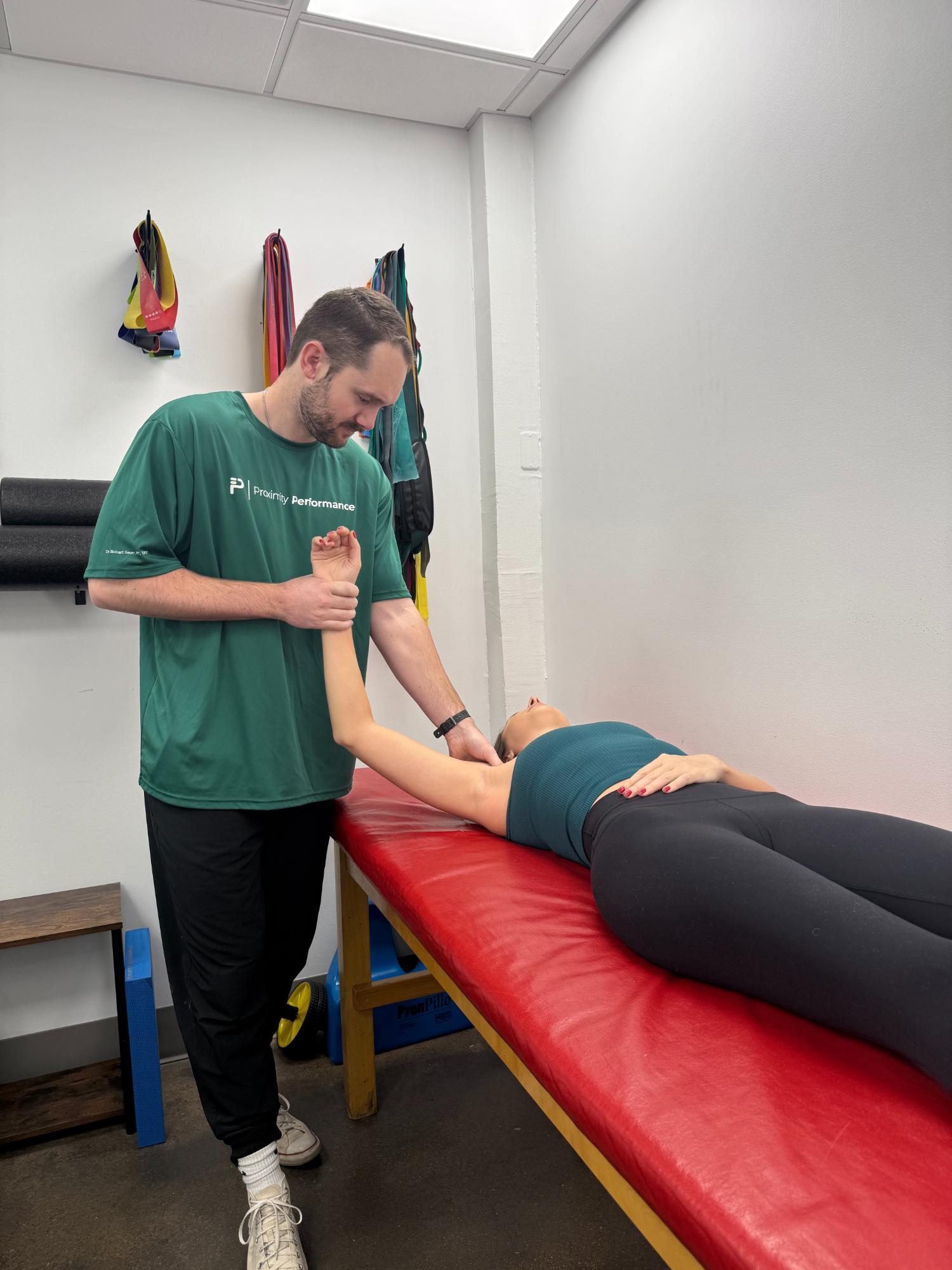
Shoulder pain is often blamed on a single structure — the rotator cuff, a labral issue, impingement — but the real driver is usually how the whole shoulder system moves. Poor overhead mechanics, scapular control deficits, and thoracic stiffness create the load that damages the painful structure. At Proximity Performance, we evaluate the full picture and build a plan that addresses what's actually creating the problem — not just where it hurts.
The Real Cost of Treating Shoulder Pain as Something You Just Work Around
The Pain Comes Back Every Time You Push It
Rest brings relief, but overhead pressing, throwing, or even reaching behind your back triggers the same pain. Without fixing the underlying mechanics or load pattern, you're on a permanent cycle of avoiding, aggravating, and waiting it out.
You've Lost Function You Haven't Gotten Back
Shoulder injuries quietly accumulate limitations — range of motion that never fully returned, overhead pressing strength you stopped testing, movements you just stopped doing. What started as managed pain has become a permanent reduction in what your shoulder can do.
Generic PT That Misses the Bigger Picture
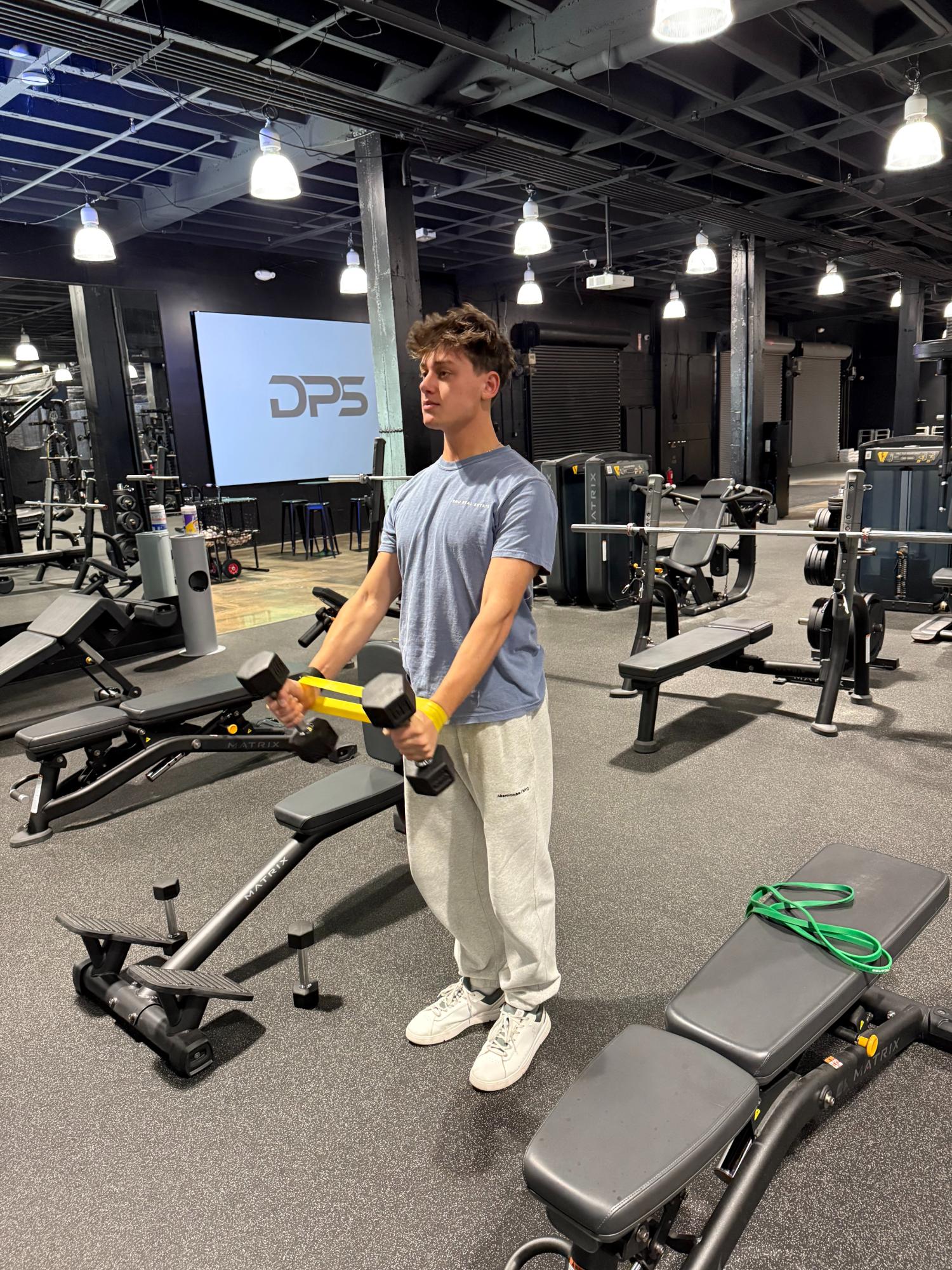
Rotator cuff exercises and shoulder circles address the structure, not the system. If the root cause is how you move overhead — scapular mechanics, thoracic mobility, load distribution — isolated strengthening provides temporary relief at best and changes nothing at worst.
Shoulder Care That Goes Beyond the Painful Spot
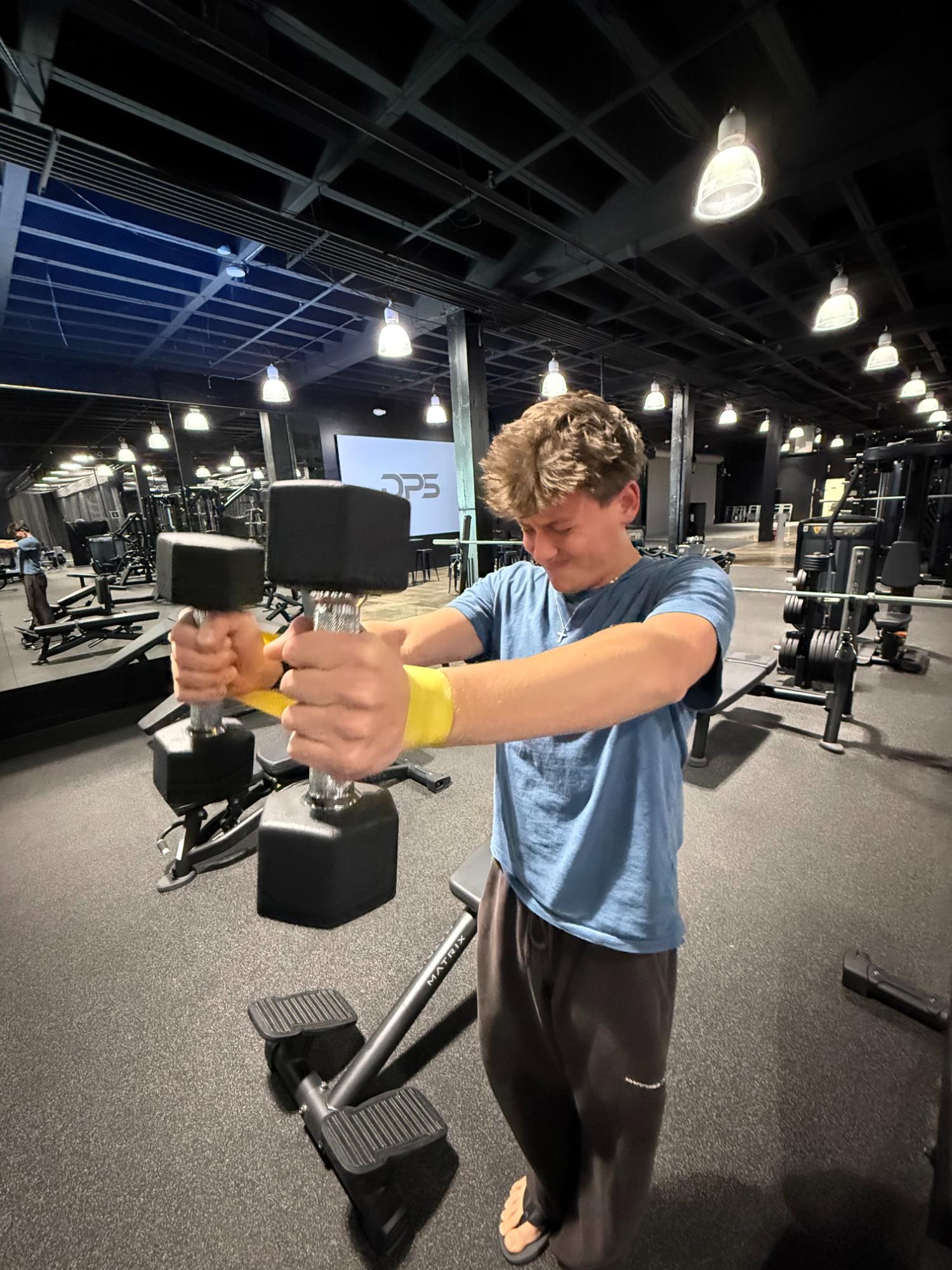
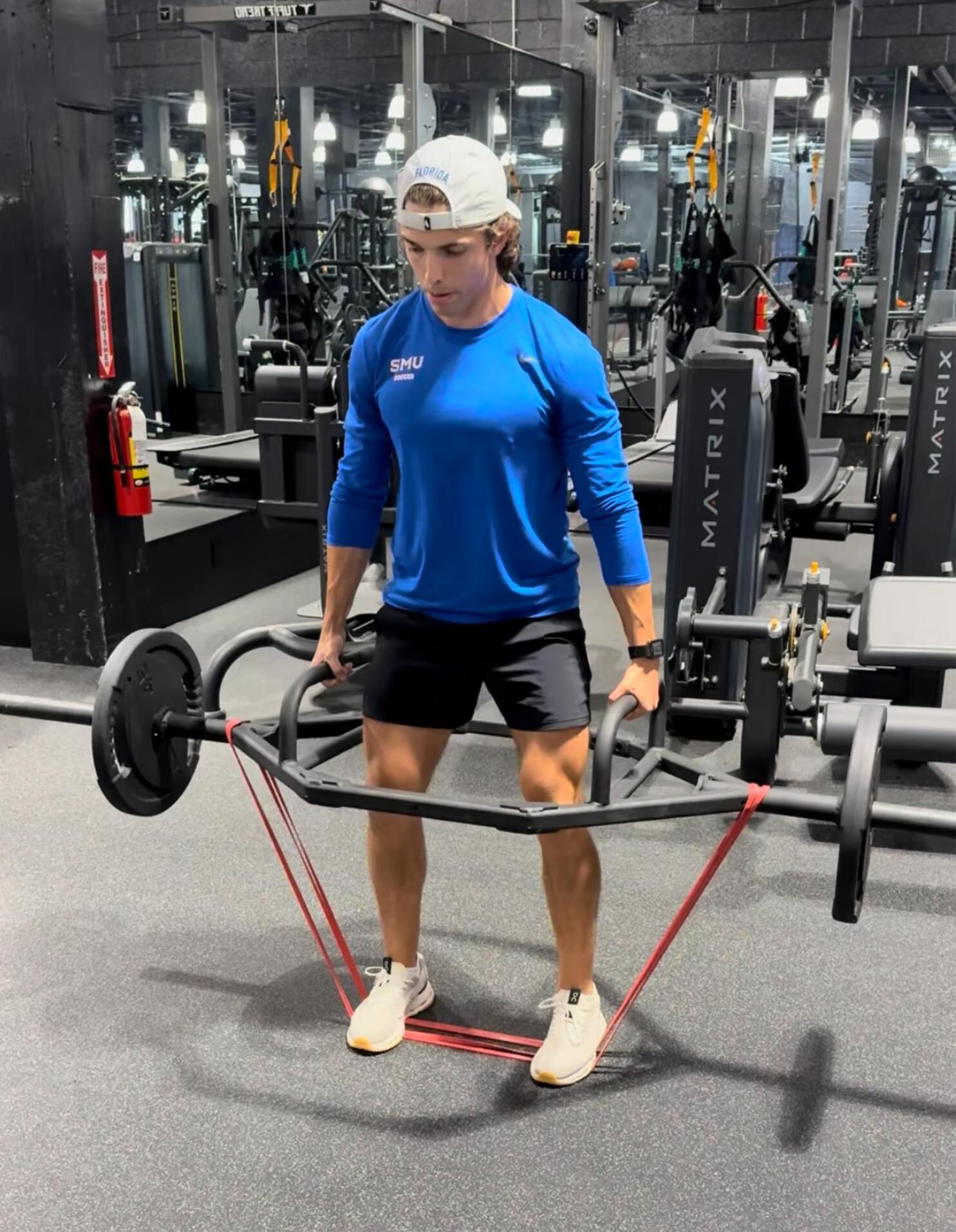
Proximity Performance works with people managing rotator cuff pain and tears, shoulder impingement, frozen shoulder, post-surgical shoulder recovery, and overhead athletic injuries. Our approach combines manual therapy and dry needling to reduce pain and restore mobility with progressive loading to rebuild full overhead capacity — targeting the actual cause, not just the painful structure.
.jpg)
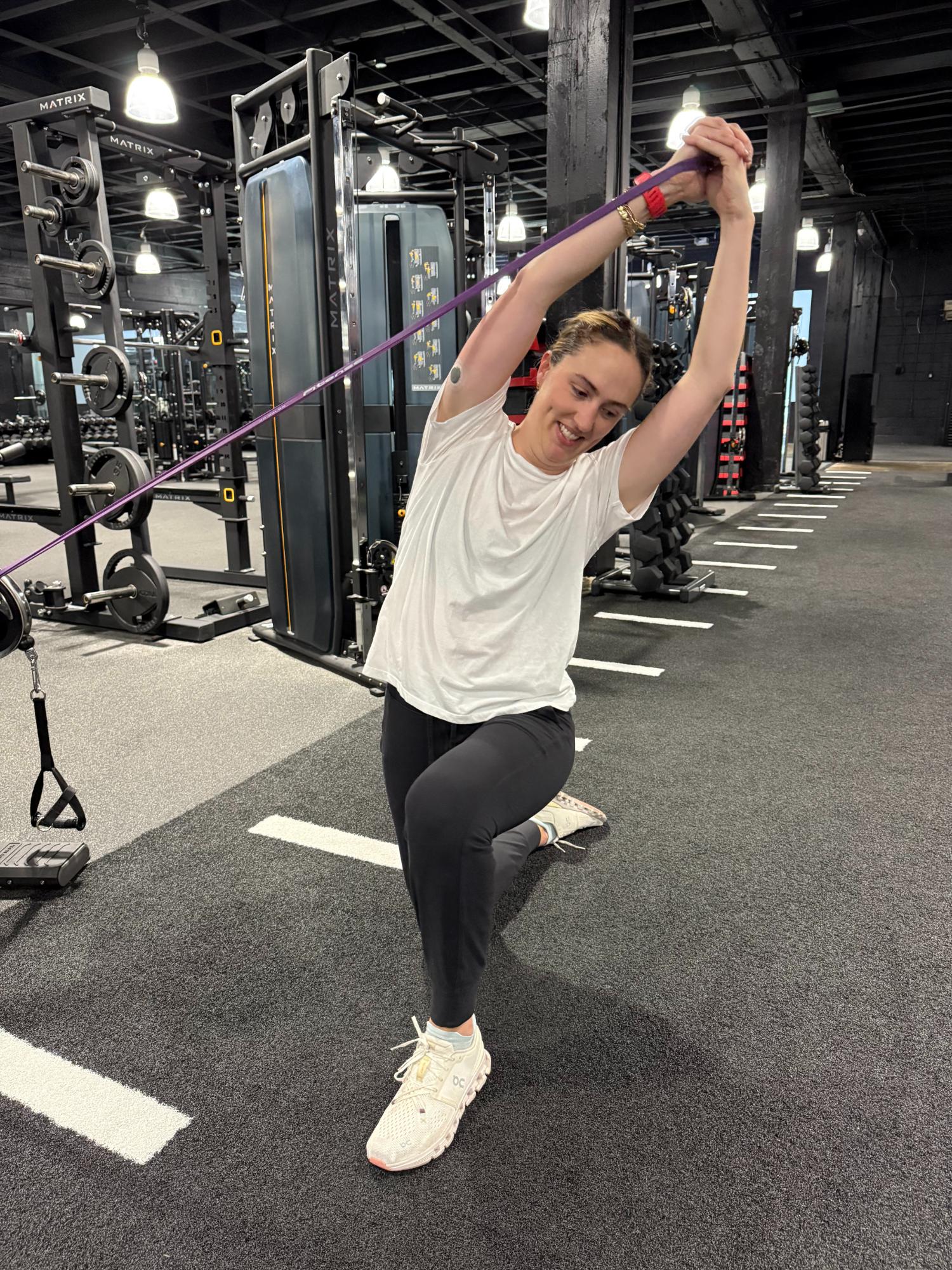
Shoulder Issues We See Most Often at Proximity Performance
Proximity Performance works with people managing rotator cuff pain, rotator cuff tears, shoulder impingement, frozen shoulder, labral injuries, shoulder instability, post-surgical shoulder stiffness, and overhead athletic pain. Rather than treating each structure in isolation, we evaluate shoulder mechanics and load patterns to find and address the underlying driver.
Rotator cuff pain, strain, and partial or full thickness tears
Shoulder impingement and subacromial pain with overhead activity
Frozen shoulder (adhesive capsulitis) and loss of range of motion
Three Steps Back to Doing What You Love
Book a Free Phone Consultation
Tell us what's going on — your injury, your goals, and what's gotten in the way. We'll make sure we're the right fit before you commit to anything.
Receive Expert Guidance
Your initial 60-minute evaluation includes a comprehensive movement assessment, a clear explanation of what's causing your pain, and a personalized treatment plan built around your goals.
Get Back to What You Love
Work through a one-on-one treatment plan designed to resolve the root cause — and leave with the knowledge to stay pain-free long after we're done.
What Proximity Performance Patients Are Saying
Verified Google Reviews from people who got their shoulder back — and stayed there.


Frequently Asked Questions
Common questions about shoulder pain physical therapy at Proximity Performance in Dallas.
Do I need imaging or a referral before starting?
No referral required — Proximity Performance is a direct access clinic. Imaging isn't necessary to start. We'll do a thorough evaluation at your first visit and let you know if imaging or a specialist referral is warranted based on what we find.
Do I need surgery before PT can help my rotator cuff?
Not necessarily. Many rotator cuff injuries — including partial tears and full-thickness tears in non-surgical candidates — respond well to conservative physical therapy. We'll evaluate your shoulder thoroughly and give you an honest assessment of what PT can realistically accomplish, and when a surgical consultation is the more appropriate next step.
My shoulder has been like this for years. Can PT still help?
Chronic shoulder pain often persists because the underlying movement pattern or load issue was never properly identified and addressed. We'll do a full evaluation to understand what's driving the problem and give you a realistic picture of what conservative PT can accomplish — and what progress looks like for your specific situation.
How is this different from the shoulder PT I've already done?
Generic shoulder PT often focuses on rotator cuff strengthening without evaluating the full overhead movement system — thoracic mobility, scapular mechanics, and how load is distributed during overhead activity. We start with a movement assessment to understand what's actually driving the problem, then build treatment around what we find rather than a standard shoulder protocol.
Still have questions?
Have a question about your shoulder pain or situation? A free phone call is the best place to start.
Ready to Get Your Shoulder Back to Full Function?
Book your free phone consultation. We'll listen to what's going on, tell you what we think is driving it, and outline a clear plan to return to full overhead function — without constantly working around it.